




Before the word Paralympics was introduced as common parlance, the international sports event was known as the World Wheelchair Games. Held in 1984 at Stoke Mandeville, opened by the Prince of Wales, and filmed for Channel 4, this early film introduced the word Paralympics to the English vocabulary. Making a sports documentary on videotape then involved a great deal of improvisation and luck, carting around heavy 1" video recorders strapped to customised shopping trollies, shooting the marathon precariously out of the back of a moving car. They were dangerous but exciting times!
Five years later, when domestic camcorders arrived on the market, no-one at the BBC believed we television programmes from videos shot by members of the public. There were strict men in sandals working in the BBC TV Centre basement who said it simply couldn't - wouldn't - happen.
It did happen, awards were won and Video Diaries and Teenage Diaries - and later Video Nation - were labours of love. Producers and editors wrangled hundreds of hours of footage into highly crafted, unfolding stories that were shot through with authenticity. The means of production were in the hands of the people, even if broadcasting itself wasn't.
This was still the analogue world. Rachel (right) is at a campfire, with her mother. They both lived as travellers but taking different paths. Rachel recorded her life on her camera as it happened, over several months, in a way that a crew could never have done, with careful co-creation along the way by the producer.
Chris Needhamfrom Loughborough, spent most of the time in his bedroom. He finds expression through some terrible but brave musicianship, puts a band together and plays his first gig. Chris became a cult figure as an authentic voice for teenagers during the 90's.
The experimental documentary, Language Lessons, (left), was made with Steve Hawley for Channel 4 in 1995 and shown across tgh world, explores the world of artificial languages and the men and women who use them.
More recently, Stranger Than Known: South Home Town (right, 2015) was selected for the Independent Film Festival in New York. Again created with Steve Hawley, filmed messages from soldiers abroad, in a kind of early Skype, were combined with super slow motion footage of Southampton.
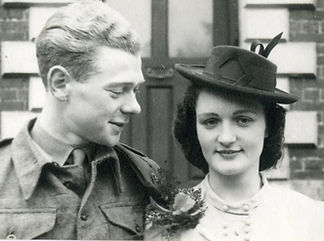
My father, Leo (left), was stationed near Wolverhampton with fellow Dutch men and women during the Second World War. There he met a teenage girl living locally, who was desperate to leave home. They married in 1943.
Peggy became a qualified truck driver for the Dutch Red Cross and the newleyweds criss-crossed the front line, meeting up on weekend leave, as the Allies recaptured Belgium and then Holland. The Love Beyond Borders film took years to make and was finished once both my parents and I was impelled to create a memorial to their life together.
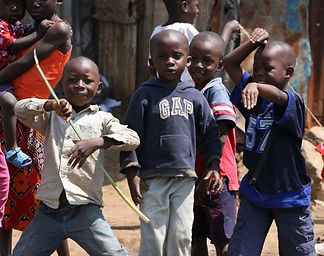
The slums of Mathare in Nairobi are the second largest in Africa and there's just one toilet for every 500 people. Working through a production company I established at Southampton Solent University, I made The Last Taboo (2012). Local filmmaker Jeff Ochieng and others guide us through the chaos of slum life, and reveal the efforts to stop poor sanitation killing three children each minute around the world.
The film showcased a people-led approach called Community Led Total Sanitation, which graphically educates villagers and slum dwellers about the dangers of open defecation, shattering superstitions and taboo. The film won awards and has been screened internationally for its unflinching approach to talking about s**t.


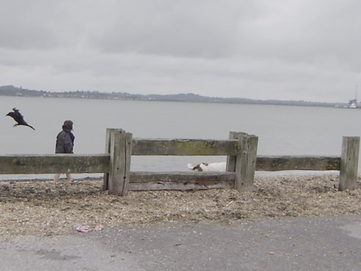
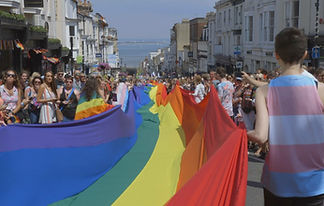
In the summer of 2018, the first national Pride event was staged in Ryde, and the Pride UK film was made for BBC South's Inside Out strand. Shot over several days with a mixed crew of students, graduates and professionals organised through Solent Productions.
Contributors were able to tell their LGBTQ+ stories for the first time, celebrating the tolerance and diversity of the Isle of Wight, countering the stereotype of an island behind the times.
Established in Ryde in 2021, People Media UK have made several films across the island and for BBC1's One Show since 2022. Refugee Choirs. Dementia. Veterans, Tiger Rescue. Polar Bears. Yorkshire Dialects, Electric Cars, Badger, Modern Archaeologists, Detectorists, Foragers, Refugee Boxers and on and on.
Filmed across the UK, these small stories with a universal appeal compress emotional engagement into four and a half concentrated minutes.
With current media technology continuing to define the type of unscripted content that is produced, and by whom, the distribution of stories is no longer controlled by broadcast gatekeepers.
It's an exhilarating time, with new business models and platforms developing rapidly. For me, being able to enter new worlds and the lives of contributors remains a privilege I am eternally grateful for.


With digital kit came much more functionality. This meant less people doing more things. So, directing and producing often included second camera operation, and monitoring of the pictures could easily be done on a handheld mobile phone via bluetooth, which doubled as a notepad and location stills camera.
But smaller crews often made life more interesting and adding presenters into the mix, as was often the case with BBC's The One Show, meant lively banter. Hannah Stitfall was a joy to work with on natural history shorts, and they always had a sense of drama at their heart, especially with wild animals such as tigers and polar bears.
.